
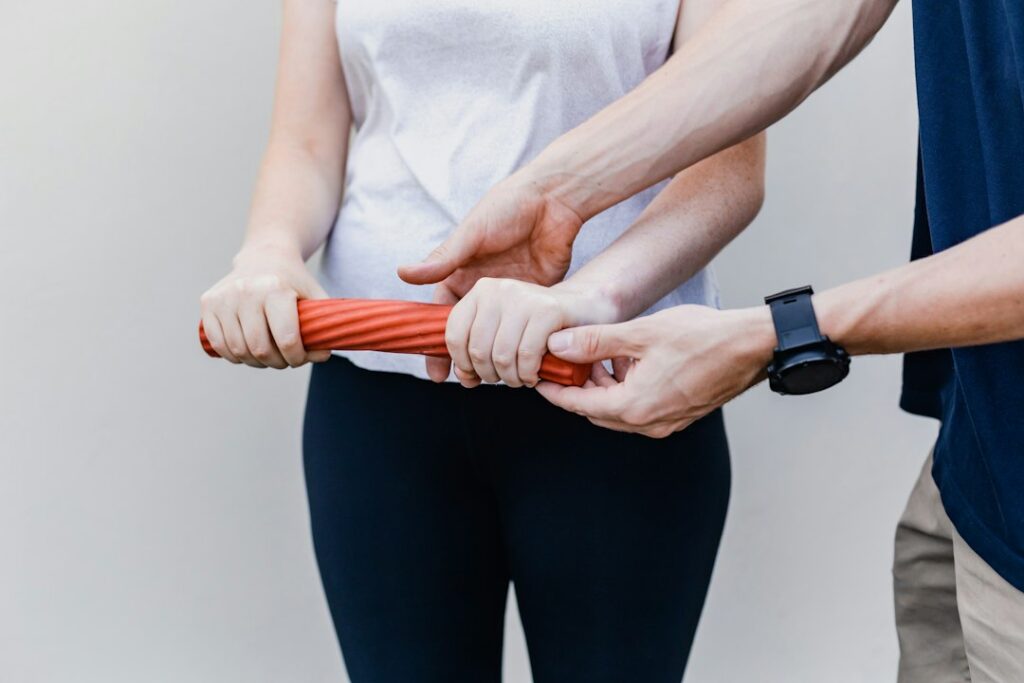
Arthritis can make ordinary activities—walking, standing, reaching, gardening, driving, or climbing stairs—feel more difficult. Chiropractic care may help some people improve movement and manage discomfort, but it works best as part of a broader plan that includes appropriate exercise, joint protection, medical evaluation, and attention to daily habits.
What does arthritis pain usually involve?
Arthritis is not one single condition. Osteoarthritis, rheumatoid arthritis, gout, psoriatic arthritis, and other disorders can cause joint pain, stiffness, swelling, or reduced mobility. The right approach depends on the type of arthritis, which joints are affected, how long symptoms have been present, and whether inflammation or another medical problem is involved.
Osteoarthritis commonly affects the knees, hips, hands, spine, and feet. Symptoms often worsen after repetitive activity or extended periods of inactivity. Rheumatoid arthritis and other inflammatory conditions may cause prolonged morning stiffness, visible swelling, warmth, fatigue, or symptoms affecting several joints at once.
A chiropractic assessment should not replace a medical diagnosis. New, severe, or unexplained joint symptoms deserve evaluation so that inflammatory arthritis, infection, nerve problems, fractures, or other causes are not overlooked.
Can chiropractic care help people with arthritis?
Chiropractic care may help improve mobility, reduce stiffness, and support function in selected cases, particularly when arthritis is accompanied by related muscle tension, restricted movement, or mechanical back and neck pain. Treatment may include gentle mobilization, soft-tissue techniques, movement instruction, and advice about posture or activity modification.
The goal should be improved daily function rather than “putting a joint back into place.” Arthritis-related cartilage changes cannot be reversed through spinal adjustments, and manipulation does not cure arthritis.
Care should be adapted to the affected joint. A person with hip or knee arthritis may benefit more from exercise planning, gait advice, and strengthening than from forceful manipulation. Someone with spinal osteoarthritis may need a combination of mobility work, core or hip strengthening, and strategies for reducing prolonged sitting.
Any treatment plan should account for osteoporosis, previous surgery, blood-thinning medication, joint replacement, inflammatory disease, nerve symptoms, and other health conditions. Gentle approaches are generally more appropriate than aggressive techniques when joints are painful, unstable, or inflamed.
Which daily movements are usually helpful?
Regular, joint-friendly movement is one of the most reliable ways to manage arthritis symptoms. Exercise can help maintain strength, flexibility, balance, and endurance while reducing the effects of inactivity.
Useful options may include:
- Short walks on level surfaces
- Water exercise or swimming
- Stationary cycling
- Gentle range-of-motion movements
- Light resistance-band exercises
- Tai chi or balance-focused movement
- Stretching that does not produce sharp pain
Starting with five or ten minutes may be more practical than attempting a long workout. Several short activity periods can be spread throughout the day. In the Palm Tree community, seasonal conditions may affect outdoor walking plans, so indoor walking, home exercises, or water-based activity can provide alternatives during very cold, wet, or icy weather.
Strengthening the muscles around a painful joint is especially useful. Stronger thigh, hip, back, shoulder, or abdominal muscles can reduce the workload placed on joints during everyday activities. However, exercises should be progressed gradually and adjusted if pain persists after activity.
How can someone tell whether exercise is helping or overdoing it?
Mild stiffness or temporary soreness can occur when beginning a new routine. Pain that is sharp, increasingly intense, or disruptive to normal movement is a reason to stop and reassess.
A practical approach is to reduce one variable at a time:
- Exercise for fewer minutes.
- Choose a lower-impact activity.
- Reduce resistance or repetitions.
- Add a longer warm-up.
- Allow more recovery time between sessions.

Persistent swelling, a hot or red joint, limping, worsening nighttime pain, or discomfort that continues for more than a couple of hours after exercise should not be dismissed as normal conditioning. These symptoms warrant medical guidance, particularly if they are new or rapidly worsening.
What are useful chiropractic tips for managing arthritis at home?
Daily habits often influence symptoms as much as a single treatment session. Helpful strategies include:
Change position regularly. Long periods of sitting can increase stiffness. Stand, walk briefly, or perform gentle movement every 30 to 60 minutes.
Use supportive positioning. A chair with adequate back support may reduce strain. When sleeping, pillows can help maintain a comfortable position for the knees, hips, or neck.
Warm up before demanding tasks. A few minutes of easy walking or gentle joint movement can prepare the body for housework, yard work, or exercise.
Break repetitive tasks into smaller portions. Carrying, kneeling, gripping, or bending for long periods may aggravate symptoms. Alternate tasks and take brief rest periods.
Use tools and surfaces that reduce strain. Raised seating, padded handles, stable footwear, and handrails may make routine activities easier and safer.
Track patterns. A simple record of activity, sleep, weather, swelling, and pain may reveal triggers. Weather does not cause arthritis, but changes in temperature, moisture, and activity levels can influence how stiff or sensitive a person feels.
Are heat and cold useful for arthritis?
Heat may be helpful for morning stiffness or tight muscles. A warm shower, heating pad used cautiously, or warm compress can make gentle movement easier. Cold packs may reduce soreness or swelling after activity.
Neither should be applied directly to bare skin, and prolonged exposure can cause burns or skin injury. People with reduced sensation, circulation problems, or certain medical conditions should ask a healthcare professional before using heat or cold therapy.
Heat is generally more useful for stiffness, while cold may be more useful for short-term swelling. The best option depends on the person and the type of symptoms present.
When should arthritis symptoms be medically evaluated?
Prompt medical evaluation is appropriate for a joint that becomes suddenly very swollen, red, hot, or severely painful. The same applies to fever, unexplained weight loss, significant weakness, loss of balance, numbness, or pain after a fall.
A medical assessment is also important when stiffness lasts a long time each morning, several joints become involved, symptoms interfere with sleep, or pain continues despite reasonable changes in activity. These patterns may suggest inflammatory arthritis or another condition requiring treatment beyond self-care.
Chiropractic care can be one part of a coordinated approach, but arthritis management is usually most effective when movement, strength, sleep, weight management, medication decisions, and medical follow-up are considered together. The safest plan is one that respects the diagnosis, protects irritated joints, and steadily supports useful everyday movement.
