

Growing older does not automatically mean living with constant back pain, stiff joints, or reduced mobility. For some older adults, carefully selected chiropractic care may help manage certain muscle and joint problems while supporting everyday movement. It is not a cure for every age-related condition, and it should be considered alongside medical care, exercise, medication review, and fall-prevention strategies.
What benefits may chiropractic care offer seniors?
Chiropractic care may help some older adults reduce discomfort, move more comfortably, and remain active during daily routines. The most relevant potential benefits generally involve the muscles, joints, and spine rather than internal diseases.
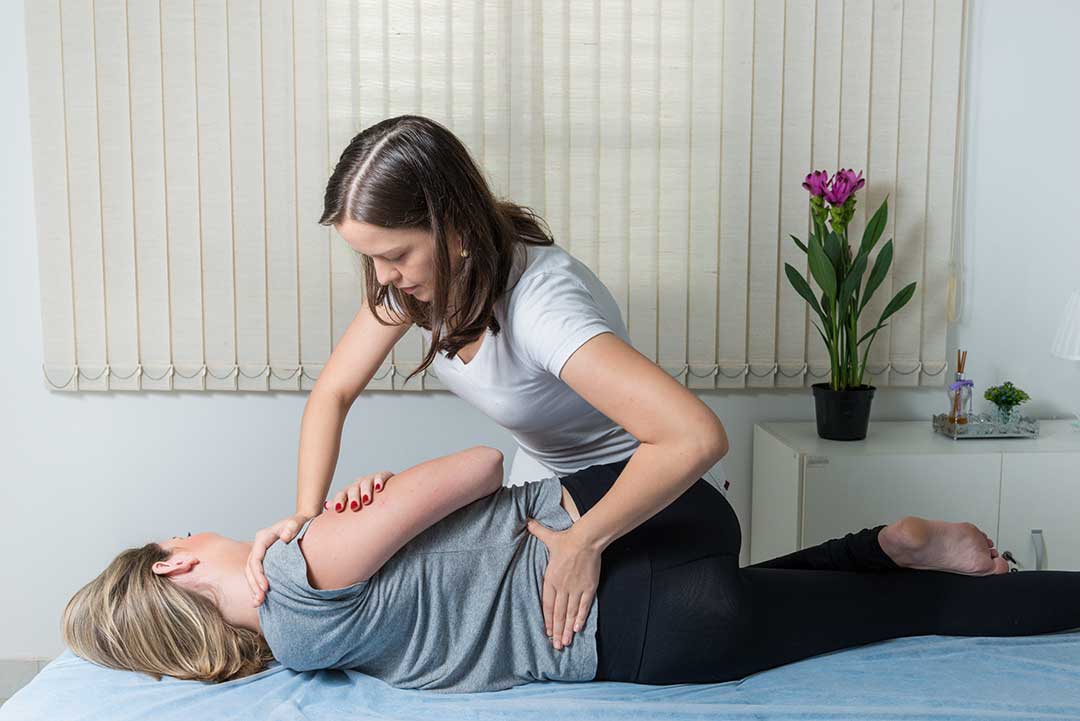
Depending on the person’s condition, care may include gentle spinal or joint mobilization, soft-tissue techniques, stretching, posture guidance, and exercises. Spinal manipulation uses a controlled force applied to a spinal joint, while mobilization is usually a slower, lower-force movement. The appropriate approach depends on bone strength, medical history, symptoms, and personal tolerance.
Possible benefits include:
- Less short-term or recurring low-back pain
- Improved neck, shoulder, hip, or joint movement
- Reduced stiffness after sitting or sleeping
- Greater comfort while walking, standing, or changing positions
- Support for maintaining independence in routine activities
- Guidance on safe movement and body mechanics
Evidence for spinal manipulation is strongest for certain types of back pain, but results vary. Relief may be modest, and chiropractic care is usually most useful as one part of a broader plan rather than as a stand-alone treatment.
Can chiropractic care improve mobility and independence?
It may, especially when pain or stiffness is making ordinary activities more difficult. Being able to rise from a chair, walk through the home, reach into a cabinet, or get in and out of a vehicle can have a meaningful effect on independence.
For an older resident in Palm Tree, NY, seasonal conditions may also affect mobility. Snow, ice, wet sidewalks, and cold temperatures can encourage people to remain indoors, which may increase stiffness and reduce physical activity. A care plan that addresses joint movement, walking tolerance, and simple home exercises may help a person stay more active safely.
However, spinal adjustments alone do not build the strength and balance needed to prevent falls. The National Institute on Aging recommends physical activity that addresses strength, flexibility, endurance, and balance. These areas help support walking ability and reduce fall-related risk. ([nia.nih.gov](https://www.nia.nih.gov/health/falls-and-falls-prevention/falls-and-fractures-older-adults-causes-and-prevention?utm_source=openai))
What conditions might be appropriate for older adults?
Chiropractic treatment may be considered for mechanical or musculoskeletal problems such as uncomplicated low-back pain, some forms of neck pain, joint stiffness, and discomfort related to limited movement. “Mechanical” generally means symptoms influenced by posture, movement, muscle tension, or joint function.
A thorough evaluation should distinguish these problems from conditions needing medical diagnosis or urgent treatment. Back or neck pain can sometimes be related to a fracture, infection, cancer, nerve compression, inflammatory disease, or a problem involving internal organs. Older adults may also experience more than one cause of pain at the same time.
Chiropractic care should not be used to delay evaluation of symptoms such as:
- New loss of bladder or bowel control
- Progressive weakness, numbness, or difficulty walking
- Severe pain after a fall or other injury
- Fever, unexplained weight loss, or unusual fatigue
- Sudden severe headache or neurological changes
- Chest pain, shortness of breath, or abdominal pain
These symptoms require prompt medical assessment.
Is chiropractic treatment safe for seniors?
Many older adults tolerate conservative chiropractic treatment, but age-related changes can affect safety. Osteoporosis, arthritis, spinal stenosis, previous fractures, joint replacements, blood-thinning medication, balance problems, and recent surgery may change which techniques are appropriate.
The National Center for Complementary and Integrative Health reports that temporary effects such as soreness, stiffness, headache, or increased discomfort can occur after spinal manipulation or mobilization. Serious complications are considered rare, but the risk may be higher when underlying health problems have not been identified or communicated. A complete health history and medication list are therefore essential. ([nccih.nih.gov](https://www.nccih.nih.gov/health/spinal-manipulation-what-you-need-to-know?utm_source=openai))
Forceful techniques are not automatically appropriate for someone with fragile bones or a history of compression fractures. In some cases, gentle mobilization, exercise instruction, or referral for another type of evaluation may be more suitable. Neck manipulation deserves particular caution because serious neck-related complications, although uncommon, have been reported. Decisions should be individualized rather than based on age alone.
What should seniors discuss before treatment?
Before beginning care, an older adult should explain:
- Diagnosed osteoporosis or osteopenia
- Recent falls, fractures, or hospital stays
- Joint replacements or spinal surgery
- Cancer history or unexplained pain
- Blood-thinning medications
- Steroid use or other medicines affecting bone health
- Numbness, weakness, dizziness, or balance changes
- Other clinicians involved in managing the condition
It is also reasonable to ask what technique is being proposed, what improvement is expected, how progress will be measured, and what alternatives exist. A responsible plan should include a way to stop or change treatment if symptoms worsen.
Family members or caregivers may help by keeping an updated medication list and describing changes in walking, balance, memory, or daily function that the older adult may not mention.
Can chiropractic care help prevent falls?
Chiropractic care may indirectly support fall prevention if it improves comfort, movement, or confidence. That does not mean an adjustment prevents falls by itself. Falls often involve several factors, including muscle weakness, poor balance, vision problems, medication effects, foot pain, unsafe footwear, and household hazards. The National Institute on Aging identifies strength and balance activities as important parts of fall prevention. ([nia.nih.gov](https://www.nia.nih.gov/health/falls-and-falls-prevention/falls-and-fractures-older-adults-causes-and-prevention?utm_source=openai))
A practical fall-prevention plan may include:
- Improving lighting near stairs, entrances, and bathrooms
- Removing loose rugs and clutter from walking paths
- Wearing stable, well-fitting shoes
- Reviewing medications that cause dizziness or drowsiness
- Practicing strength and balance exercises suited to current ability
- Using prescribed mobility aids correctly
- Addressing vision, hearing, and foot problems
For homes with porches, steps, or uneven outdoor surfaces, seasonal maintenance can be especially relevant. Clearing ice and snow promptly and keeping pathways well lit can reduce environmental hazards.
How should chiropractic care fit with other health care?
Chiropractic care should coordinate with a person’s broader health plan. Older adults may also benefit from physical therapy, medical evaluation, occupational therapy, pain management, or supervised exercise. Each discipline addresses different needs.
The goal should be practical: less pain, safer movement, better function, or improved participation in daily life. If symptoms are not improving, if new symptoms appear, or if treatment repeatedly produces worsening discomfort, the plan should be reassessed rather than continued automatically.
For seniors, the most useful care is typically conservative, clearly explained, and adapted to bone health, medications, balance, mobility, and the realities of daily living in the community.
