

Living in Palm Tree, New York, offers a unique blend of suburban peace, community events, spacious parks, and an emphasis on outdoor activity. However, whether you’re keeping up with the fast pace of daily errands, enjoying a walk in Larkin Park, or working long hours at a local company, your busy lifestyle can put unexpected pressure on your body—especially your nerves. Pinched nerves, a common complaint in both active and sedentary residents, can interfere with your daily enjoyment of everything Palm Tree has to offer. Fortunately, you can take practical steps to prevent this nagging problem and keep your body moving freely.
What Is a Pinched Nerve?
A pinched nerve occurs when surrounding tissues—such as bones, cartilage, muscles, or tendons—put too much pressure on a nerve, interfering with its function. This pressure can cause pain, tingling, numbness, or weakness, often in your neck, back, arms, or legs. In a community as vibrant as Palm Tree, where mobility is key to participating in local events and gatherings, preventing pinched nerves is essential for maintaining your quality of life.
Common Causes of Pinched Nerves in Palm Tree, NY
Residents of Palm Tree experience a variety of risk factors for pinched nerves, including:
- Prolonged sitting during commutes or at school/work
- Physical labor in construction, landscaping, or warehouse jobs
- Repetitive motions during community volunteer work or hobbies
- Poor posture while working from home
- Sudden bursts of activity at local sports fields
Understanding these causes helps you take targeted action based on your lifestyle.
How to Prevent Pinched Nerves
1. Prioritize Good Posture
Whether you’re driving on Route 17, attending services, or sitting at your desk, maintaining correct posture is the foundation for nerve health. Here’s how:
- Keep your back straight and shoulders relaxed—avoid slouching!
- Feet flat on the floor when seated, with knees at hip height
- Screen at eye-level when working on computers or devices
Regular posture checks, especially during long Shabbat meals or study sessions, add up to better spinal alignment.
2. Take Frequent Movement Breaks
Even if you’re attending meetings or studying at home, strive to move every 30-60 minutes:
- Stand and stretch gently
- Walk around your home or office for a few minutes
- Practice shoulder rolls or gentle neck stretches
If you work remotely (as many Palm Tree residents do), set a timer to remind yourself. Movement keeps your nerves from getting trapped by tight muscles or prolonged pressure.
3. Strengthen Your Core and Back Muscles
Spending time at neighborhood parks or playgrounds? Use these opportunities to build a stronger core, which supports spinal health. Try:
- Gentle abdominal exercises (like planks or bridges)
- Yoga or Pilates classes at local studios
- Supervised resistance training—ask your trainer or chiropractor for safe routines
A strong core stabilizes your spine, reducing the risk of pinched nerves in the lower back.
4. Mind Ergonomics at Work and Home
Whether you prepare meals, sew, type, or do crafts, adjust your setup to protect your nerves:
- Keep items within easy reach to avoid overextending
- Use supportive chairs and footrests
- Ensure work surfaces are at proper height
For at-home Torah study or working in local businesses, investing in ergonomic furniture pays off in the long run.
5. Manage Weight for Less Spinal Pressure
Carrying extra weight adds stress to your spine and joints, making you more susceptible to pinched nerves—especially in the lower back. Palm Tree’s active lifestyle offers many ways to stay fit:
- Join walking groups in Larkin Park or nearby trails
- Explore community fitness classes
- Choose nutritious, home-cooked meals
Even modest weight loss can relieve pressure on vulnerable nerves.
6. Use Proper Lifting Technique
Helping neighbors move, carrying groceries, or transporting supplies for Shabbat gatherings increases strain on your spine. Protect yourself by:
- Squatting down, not bending at the waist
- Keeping items close to your body
- Lifting with your legs, not your back
Team up with someone for heavier items—and avoid sudden twisting movements.
7. Listen to Your Body
If you feel tingling, numbness, or pain, especially after repetitive work or activity, don’t ignore it. Early attention prevents a minor irritation from becoming a serious compression. In Palm Tree, quick action means you won’t miss out on family celebrations or community programs.
8. Maintain Regular Chiropractic Check-ups
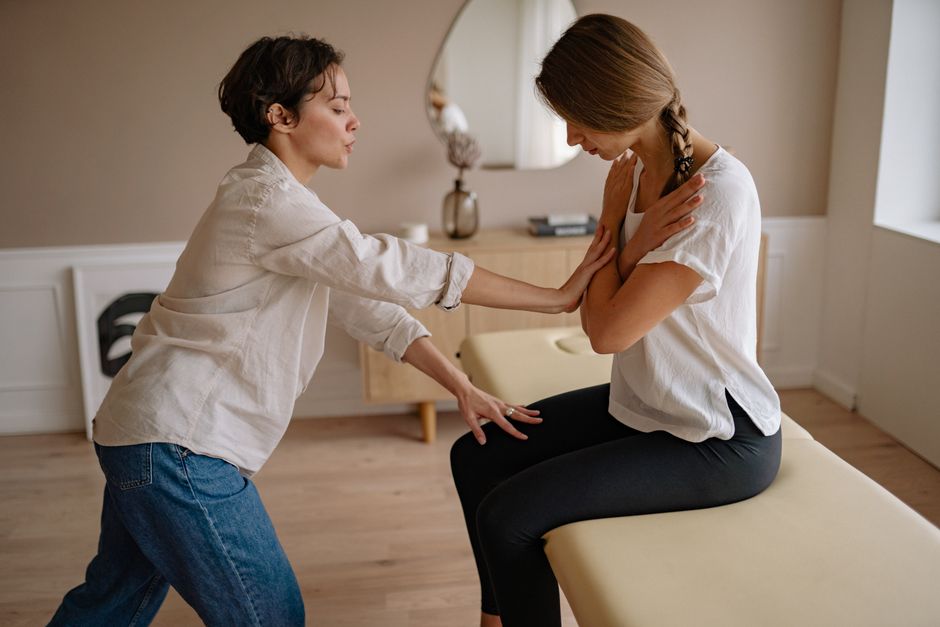
Preventative care helps identify and relieve biomechanical imbalances before they pinch a nerve. Chiropractors in Palm Tree routinely help patients with personalized stretches, ergonomic advice, and adjustments designed for your needs. Even if you feel fine, regular spinal assessments can keep you flexible and functional.
9. Reduce Stress
Chronic stress leads to muscle tension, which can tighten up around nerves. Take advantage of Palm Tree’s peaceful settings, social networks, or faith-based resources:
- Meditate by the pond in the park
- Enjoy tea with friends or neighbors
- Practice deep-breathing or mindfulness
A calm mind supports a relaxed body, which helps protect your nerves.
What to Do If You Suspect a Pinched Nerve
Despite your best efforts, you may still experience symptoms of a pinched nerve. Common signs include:
- Shooting or burning pain in an arm or leg
- Numbness or "pins and needles" sensation
- Muscle weakness
If symptoms persist after a few days of rest, ice, and gentle stretching, consult a healthcare or chiropractic professional in Palm Tree, NY. Early intervention can often relieve pressure, prevent further injury, and get you back to enjoying everything this beautiful community provides.
Conclusion
Preventing pinched nerves is possible with a blend of healthy habits, attentive self-care, and timely professional support. In Palm Tree, New York, where every season brings new reasons to stay active and engaged, these simple strategies will help you stay comfortable and mobile. By caring for your nerves today, you’ll be free to make the most of life in our vibrant, growing community.
