

How Are the Jaw and Spine Connected?
Jaw pain might seem unrelated to spinal health, but the structures of the jaw—especially the temporomandibular joint (TMJ)—and the spine are closely linked by nerves, muscles, and posture. The TMJ, which connects your lower jaw to your skull near the ear, is influenced by the way you hold your head and neck. When posture is poor or the spine is misaligned, it can change the way the jaw moves or feels, sometimes causing discomfort or pain.
Can Issues in the Spine Cause Jaw Pain?
Misalignments or strain in the spinal column, especially in the neck (cervical spine), can affect the muscles and nerves that control jaw movement. This happens because:
- The muscles of the jaw and neck are functionally connected.
- Nerves from the spinal cord influence how jaw muscles work.
For example, spending long hours at a computer—a routine common for area households during chilly, indoor-heavy seasons—can cause forward head posture. Over time, this posture puts stress on the upper spine and alters jaw mechanics, sometimes leading to pain, clickiness, or stiffness in the TMJ.
What Are Common Signs That Jaw Pain Is Related to the Spine?
Jaw pain that’s connected to spinal issues often comes with other symptoms:
- Stiffness or tension in the neck or upper back
- Headaches that start at the base of the skull and move forward
- Clicking or popping in the jaw when opening the mouth
- Pain that gets worse after poor posture, such as slouching on the couch or looking down at a phone for long periods
Residents might notice symptoms becoming more pronounced after spending extended time indoors during colder months, when local families are less active outdoors and may find themselves in positions that put stress on the spine.
How Does Posture Affect Jaw Health?
Good posture supports healthy jaw function by:
- Keeping the head balanced above the spine
- Reducing muscle tension in the shoulders and neck
- Allowing the jaw to move freely and evenly
Conversely, slouching or craning the neck forward causes the jaw to pull out of alignment. In homes, especially in multi-generational households common in the area, shared spaces and furniture might not always support ideal posture, increasing these risks. Being mindful of sitting positions—whether reading, using electronics, or relaxing—can help reduce jaw discomfort.
Are There Practical Steps to Manage Jaw Pain Linked to the Spine?
There are several daily habits residents can adopt to prevent or ease jaw pain related to spinal alignment:
- Take breaks to stretch and change positions, especially when indoors for long periods.
- Arrange home workstations so screens are at eye level and chairs provide neck and back support.
- Practice gentle jaw exercises, like opening and closing the mouth slowly, to reduce tightness.
- Apply a warm compress to tight neck muscles during colder weather to relax tension.
- Use pillows that support the neck during sleep to help maintain alignment overnight.
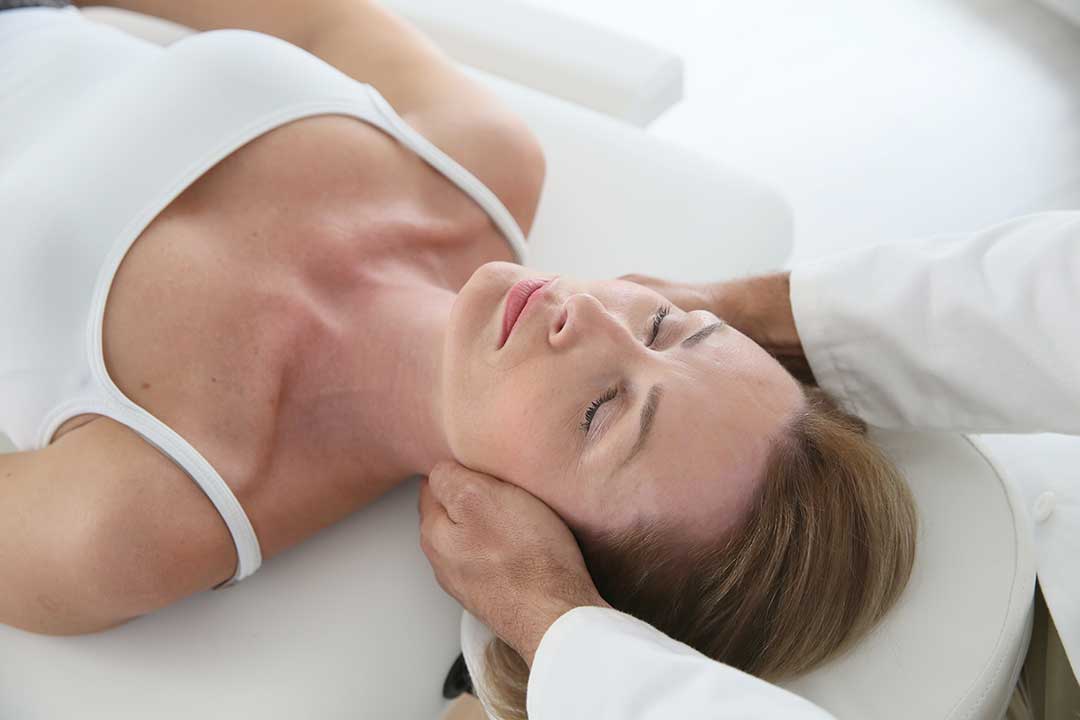
If pain or dysfunction persists despite these efforts, it may signal a more significant issue. Some cases may require evaluation for underlying joint or nerve problems, but many people find relief with changes to daily routines and posture.
What Are Some Common Misconceptions About Jaw Pain and Spinal Health?
A few misunderstandings might prevent people from making helpful changes:
- Believing jaw pain only comes from dental problems—TMJ symptoms often have a posture or muscle component.
- Thinking only older adults are affected—students and young adults in the community also struggle due to frequent tech device usage.
- Assuming poor posture can’t impact the jaw—spinal health affects much more than just the back or neck.
Awareness of these factors can encourage area residents to make simple lifestyle adjustments, especially during colder months when outdoor activity is limited.
When Should Residents Be Concerned About Jaw or Spinal Symptoms?
While mild jaw or neck tension is often related to posture and daily habits, more severe or persistent symptoms should be taken seriously. Watch for:
- Jaw locking, severe headaches, or difficulty opening the mouth
- Numbness, tingling, or shooting pain in the face or arms
- Jaw pain accompanied by dizziness, ringing in the ears, or ongoing migraines
For safety, anyone experiencing these symptoms—especially if accompanied by fever, swelling, or sudden changes—should seek medical advice, as they may signal more complex medical issues.
