
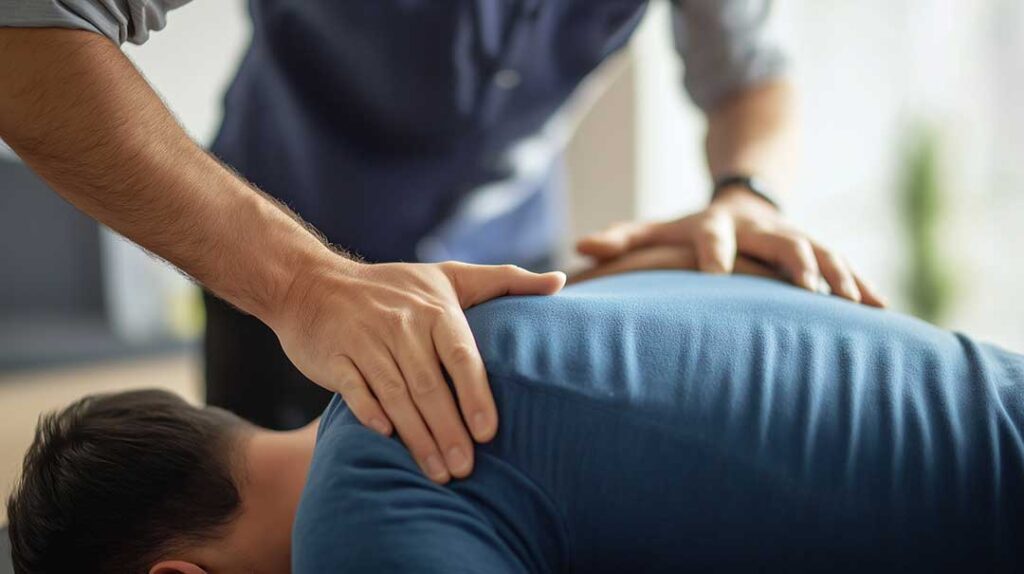
What Self-Care Strategies Help with Ongoing Pain?
Chronic pain can persist for months or even years, often disrupting sleep, movement, and daily routines. Local residents with chronic discomfort—whether from past injuries, conditions like arthritis, or unexplained sources—frequently ask how to manage symptoms outside the doctor’s office. Self-care habits provide a practical foundation for minimizing pain and regaining some independence. These routines work alongside medical care and often focus on movement, daily modifications, and stress reduction.
For those experiencing persistent pain in Palm Tree, adapting self-care to the local environment and personal lifestyle can improve outcomes and mood. Below are specific, actionable strategies that people in the area have found helpful.
How Can Gentle Daily Movement Support Comfort?
Regular gentle movement supports joint health, reduces stiffness, and can decrease pain levels over time. In Palm Tree, seasonal climate changes mean that outdoor activity might need to shift with the weather.
- Walking: Walking on pathways through local parks, neighborhood blocks, or even inside large retail spaces during colder months keeps muscles limber and provides a low-impact option suitable for many.
- Stretching routines: Short stretches in the morning and at bedtime—such as gentle neck rolls, shoulder shrugs, and hip circles—can counter the effects of sitting or being still for long periods.
- Household activity: Even moderate household chores, gardening in backyards or balcony planters, and climbing stairs can help keep the body moving.
Always listen to your body—sharp pain or increasing discomfort during activities is a sign to adjust or rest.
What Home Adjustments Make Daily Life Easier?
Simple modifications in living spaces can break up pain cycles and prevent overexertion.
- Supportive seating: Use chairs with firm support and add cushions when needed, especially when working or reading at home.
- Tools for daily tasks: Long-handled reachers, jar openers, and ergonomic utensils—readily found in local pharmacies or home stores—minimize straining.
- Heat and cold packs: Heating pads or a warm compress can ease muscle tension after a cold local winter day, while cold packs may help reduce swelling after activity.
Aligning your home to limit bending, squatting, and repetitive reaching helps conserve energy and limit flare-ups.
How Does Stress Aggravate Pain, and What Helps?
Psychological stress and pain form a feedback loop—stress can heighten muscle tension and inflammation, while pain itself adds to mental strain. Residents of the city might find that indoor, at-home stress relief techniques are particularly useful during harsh weather or busy weeks.
- Diaphragmatic breathing: Lying comfortably and focusing on slow, deep breaths can calm the nervous system.
- Progressive muscle relaxation: Systematically tensing and relaxing groups of muscles, starting from the feet and moving upward, helps some people find relief.
- Setting limits: Learning to say no to extra commitments that might drain your energy can preserve physical and mental resources.
Community support and open communication with trusted family or friends also provide relief during high-stress periods.
Are There Overlooked Daily Habits That Make a Difference?
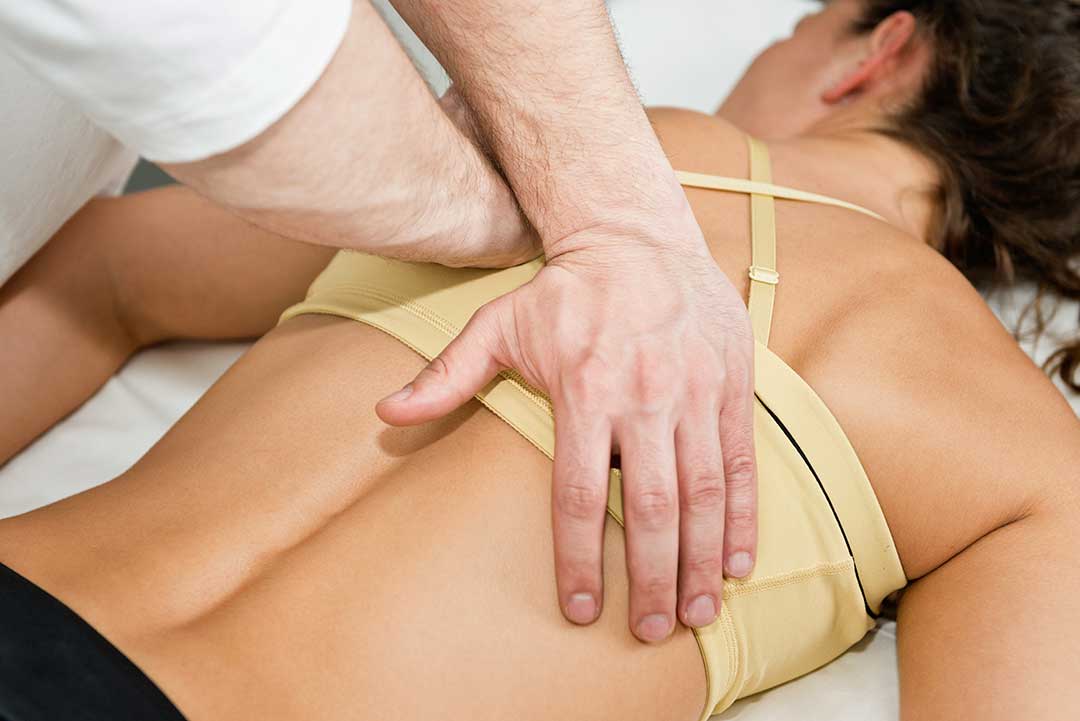
A few everyday habits, sometimes underestimated, can influence chronic pain comfort for households in Palm Tree.
- Pacing: Alternating short periods of activity with rest (even 5–10 minutes of lying down) can prevent pain spikes after household tasks or community events.
- Hydration and balanced meals: Drinking enough water and eating a variety of whole foods helps the body recover and manage inflammation.
- Sleep hygiene: Establishing consistent sleep routines and winding down with calming activities, like reading, can improve restorative rest, which in turn helps lessen pain perceptions.
Adjusting these habits may take time, but small, consistent improvements often add up.
How Can Seasonal Changes Influence Self-Care for Chronic Pain?
Winters in Palm Tree bring cold, damp conditions that may worsen discomfort for those with joint pain or nerve sensitivity. Residents often manage flare-ups by:
- Using layers and heated blankets indoors to prevent chills
- Engaging in indoor movement—such as simple yoga stretches or walking circuits in larger homes or apartment hallways
- Maintaining routines even during holiday or school closures, as breaks in self-care can lead to setbacks
Conversely, warmer months might encourage more outdoor walking, stretching, or gardening, which can boost both mood and mobility.
What Are Common Misconceptions About Chronic Pain Self-Management?
Many believe that complete rest is always best or that activity should be avoided. In reality, staying as active as comfort allows—without pushing into severe pain—often leads to better long-term outcomes. Some also assume that self-care does not make a meaningful difference, but research and local experience show that small changes can improve quality of life.
Self-care is not a cure for chronic pain, but these approaches help area residents regain some control, reduce disability, and contribute to overall well-being.
